

WRITTEN IN STONE
Follow our blog for the latest news, insights,
useful tips and all other Blue Pearl Stone related updates!
Marble - Queen of Stone

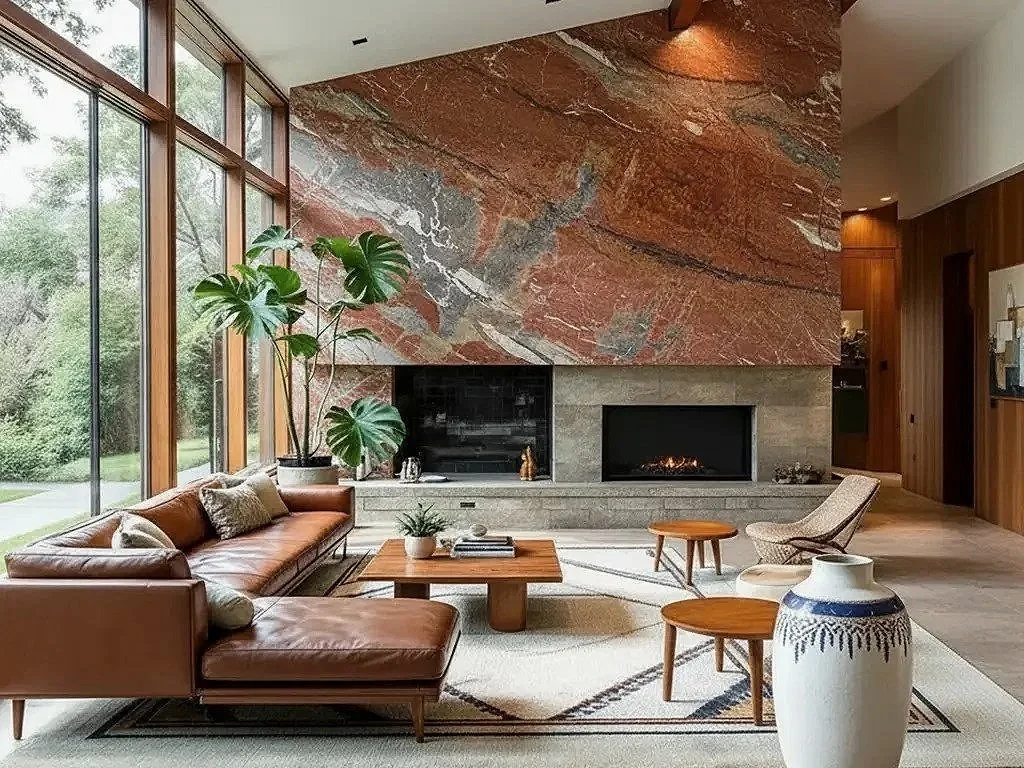
More refined than granite, more delicate than quartzite, marble commands the highest respect of architects, artists and designers around the world. It’s fresh translucence, array of colors and organic movement provide maximum luxury to create an singular finish for any project.
Marble has been the most revered building material for over 2000 years, and continues to adapt to all of today’s traditional and contemporary architecture.
Technically Speaking
Marble is a metamorphic stone made of calcium carbonate. It forms in volcanic areas where sedimentary limestones (coral, shells and fossils from the sea bottom) are ‘cooked’ via rising bubbles of molten granite. The extreme heat melts the limestone, while intense pressure prevents it from decomposing. As it cools, it recrystallizes into marble. Organic materials in rain and flood water penetrate through marble to create unique veins and markings.
More Than Skin Deep
Even though marble is a beautiful finish option, there are other reasons why marble is selected over other stones. Marble is one of the longest-lasting, and highest value-retaining finishes in the world.
Though, it can be expensive, marble countertops and decorative finishes essentially pay for themselves. If well maintained and properly cared for, marble countertops, fireplaces and art walls provide real luxury in residences, offices and public buildings. Marble comes in a variety of natural colors that complement almost any design.
Marble is high maintenance. Although this can be off-putting, one should want to maintain its beauty. There are methods you can use to protect your marble to keep it looking new- forever. However, If you find your marble is not looking its best, and need assistance, you can always have the surface professionally refinished to achieve its original look. The beauty of the stone is always there, not just on the surface, 100% through and through. It can always be restored.
Do the right thing.
The first step to protect and maintain marble is to properly seal it, and seal it on a schedule. You’ll also want to choose your cleaning products carefully. It’s best to clean your marble countertops with gentle ph neutral dish detergent or better, astone cleaner, and a warm damp soft cloth or miracle sponge not a regular sponge. Avoid harsh cleaners like lemon or vinegar, that will dull the surface finish. There is no need to scrub hard. Use coasters for acidic drinks, and cutting boards for acidic foods. Use trivets to prevent spillage of hot foods.
If you have any questions, talk with us at Blue Pearl Stone. We have stock and access to an extensive selection of marble from around the world. Utilize the assistance of our team members to select and enjoy the right marble for your project. Enjoy the supreme beauty of marble in your space forever!
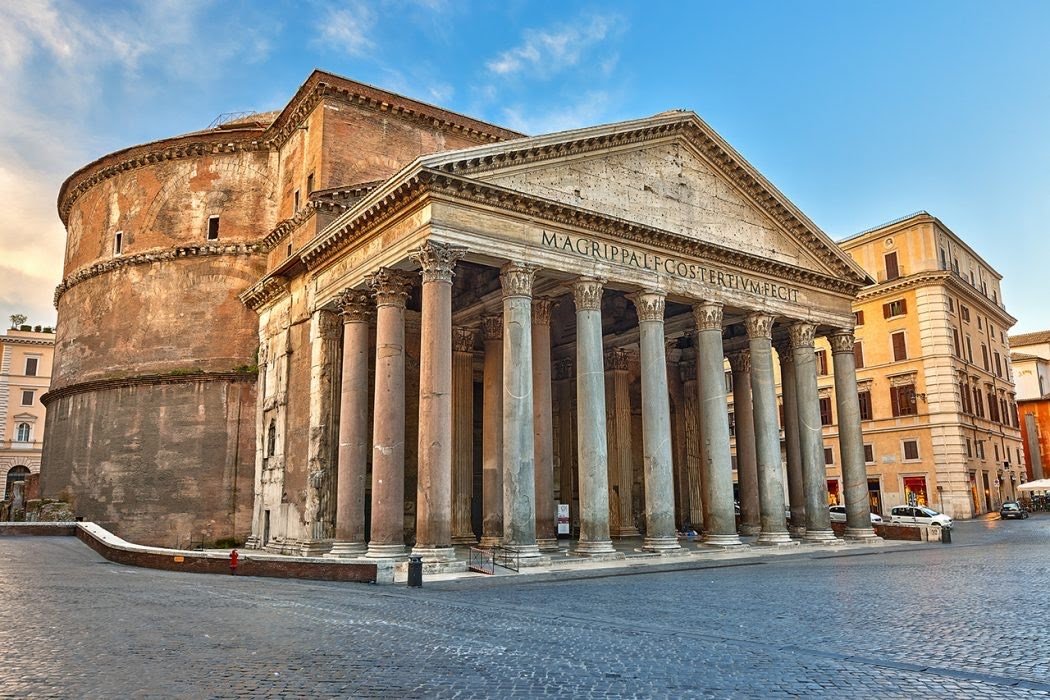
The Pantheon (Rome Center) originally built in 27 bc ; Updated in 100 AD. The interior walls, interior and exterior floors, and interior columns are all made in marble and porphery (igneous) stone. The exterior collonades are solid granite. Tufo volcanic stone or tuff is used on the dome in a concrete like mixture over brick. It is still the largest unsupported concrete dome in the world.

Lagrange Eats

35 restaurants in LaGrange - Takes the Cake!
Although most of us who work at Blue Pearl Stone live in the city of Chicago, so I’d like to share a few of the quality spots for dine-in and take-out here in the Village of LaGrange, Illinois Curiously, LaGrange has over 35 restaurants.
First, LaGrange was settled in 1830, and currently has about 16,000 residents. It is located on the Burlington Northern Train line, at Manheim (Lagrange) Road, the road that splits the east and west sides of town.
Our craftsmen take a formal lunch at 11.00AM, usually of homemade fare. On the other hand, the showroom staff rarely has time for a true lunch break and does not bring food from home. So, we often order out and nibble our way through the afternoon.
Here are a few of my personal favorite eating establishments in LaGrange:
Aracely’s and Starbucks - For breakfast Alma and I usually stop at Starbucks and/or Aracely’s Bakery (Mexican tamales and sweetbreads to go). Both open at 5 am. We’re usually there by 6:30 am, after working out. If they opened earlier, we would regularly go to Owl and Lark – a true organic fresh squeezed juice and coffee bar, with lots of healthy food options like avocado toast with arugula, pickled radish and olive oil, as well as smoothie bowls and green drinks.
Palmer’s Place - Palmer’s has been a main stay in town for decades (In the 60’s it was called The Spot to Eat) - I like their Wild Caught Salmon Caesar Salad. They will deliver if you ask nicely. They have a marvelous two level outdoor/tented bier garden in the back, with parking to boot. They are also known for their retro Red Cream Soda, onion soup, and varied burger selections.
WOOW – Is a sit-down pan-Asian restaurant chain with fresh, well prepared plates including my three favorites: sweet potato roll, miso soup, and, crunchy small salad with sweet ginger dressing.
Thipi Thai – For the full Thai experience visit Thipi Thai. Dishes are medium sized but rich, and not spicy, unless you ask. They have two tastefully decorated upscale, semi formal Thai- style dining rooms with mood lighting, and a bar and TV.
The Elm – The Elm is a new contemporary bar and restaurant by The Spains. Their Risotto and or Asian Salad is all I ever order. It tastes very similar to the risotto I enjoyed while living in Italy. They also have an upstairs outdoor Bar, where one can have a meal, sip a drink and enjoy live music, while looking out over the prairie town to the West.
Lucca’s - For Pizza there are more than 15 options, including Lucca’s, Aurelio’s, Ledo’s and many others.
Prasino - On Saturdays, if we work half a day, we might splurge and go for brunch at Prasino. Prasino offers organic options, juices, breakfast, vegetable dishes and sides, as well as full lunch, brunch and dinner size plates of contemporary offerings. There is a nice hum of locals inside and out on the sidewalk tables on the weekends.
Buckle Down Brewery - I must mention the Buckle Down Brewery. (technically not in LaGrange, but nearby). I pass Buckle Down everyday going to and from work. Although I am not a beer person, some of the guys (Ken) like to stop in for the creative craft beer selections. I see it always bustling with patrons. Looks like a great craft beer hangout. Dogs are welcome.
So never fear, if you decide to venture out to Blue Pearl Stone, in LaGrange, you will have no problem finding a great place for a bite and a drink to complete your journey.
Be sure to ask us if you are looking for other restaurant recommendations.
Staff
ISLANDS: How To Make Your Kitchen YOUR KITCHEN
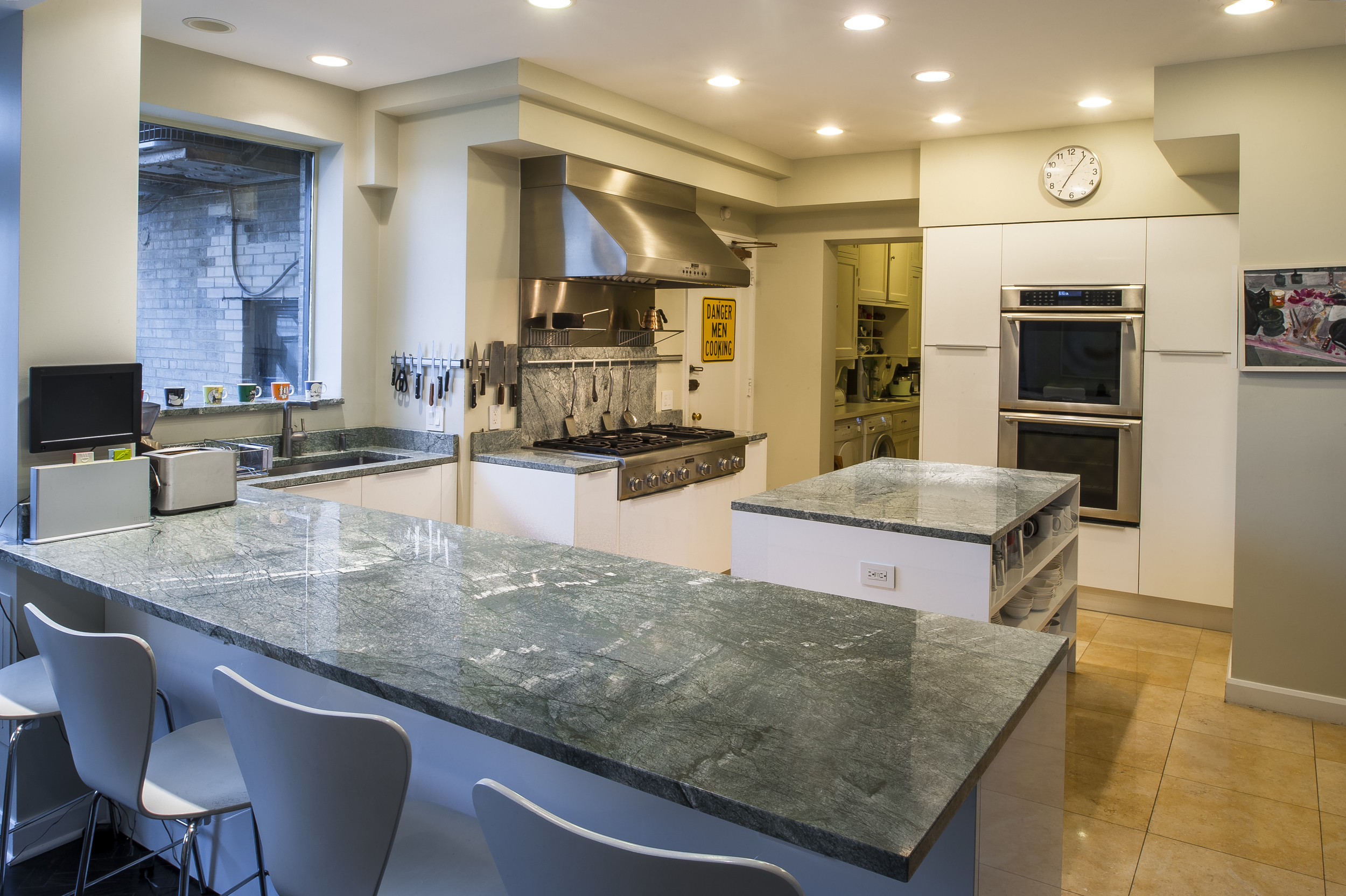
When thinking about your kitchen’s island, there are many different things to consider in order to make sure that everything is perfectly fit for all of your kitchen needs. While it should be functional, there are aesthetic considerations to be made as well. The island is typically the focal point of a kitchen, and it will catch the eye of whoever enters it. You need to make sure that is a good thing! Here is where your choices come in…
When thinking about your kitchen’s island, there are many different things to consider in order to make sure that everything is perfectly fit for all of your kitchen needs. While it should be functional, there are aesthetic considerations to be made as well. The island is typically the focal point of a kitchen, and it will catch the eye of whoever enters it. You need to make sure that is a good thing! Here is where your choices come in…
Do you want your island to match the rest of your countertops or do you want it to contrast?

A matching island can make your whole kitchen feel like one cohesive unit...

...While a contrasting island makes it more of a focal point in the kitchen and gives separation from the rest of the kitchen.
Another similar thing to consider is whether your cabinetry will be the same color in the whole kitchen or if the island will be a contrasting color. There is no right or wrong way to do it. Many people ask which is more common-the answer is it’s split pretty evenly.
What size should your island be?
A larger island is becoming a trend in kitchens, but it is important to keep in mind that slabs are only so big; any island that is more than ten (10) feet will potentially need to have a seam in it because it is bigger than the slab. This also varies with the material that is chosen and the specific slab. Natural stone slabs are typically larger and have more variation in size. Quartz slabs are available in prescribed sizes, and the maximum length (only available in certain brands and colors) is 10’ 10”.
Seams can be done in such a way that they are well matched with the stone, but they will not be invisible. If your chosen material has veining, the pattern in your stone will need to be seamed in a way that the pattern will continuous. There are however, other ways to make it look intentional rather than just necessary.
Another thing to think about with your island is the overhang: how much do you really need? The typical overhang for seating is 10-12”. 12” is the largest overhang that can safely sit without added support. So, if you decide to make your overhang larger, say 15”, there will need to be support added in the form of a strap (a flat metal bar attached to the cabinetry), leg, or other solution.
How do you give your island personality?
There are many different styles that can be done for an island...
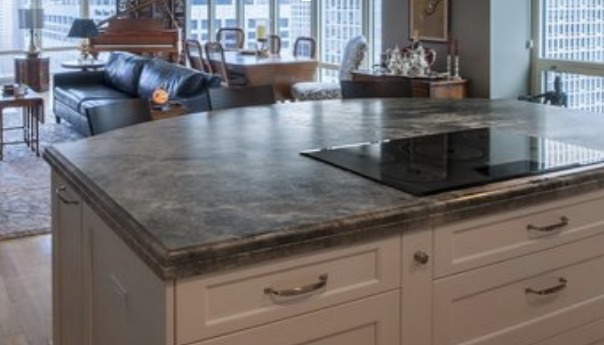
One style is a curved island. Curved islands allow for a more casual setting. They are great if you like to entertain because people sitting at the island are all able to see each other and have conversations. Curved islands can sometimes offer solutions if there are sizing constraints in the walking space around it. Otherwise, a rectangular island typically offers the most useable space.

L and U-shaped islands allow for even more space to work on your island. They can define the space a kitchen takes up even if there are not walls separating it from another room. These types of islands are wonderful if you do a lot of cooking and need the space or if you want to feel like you have your own space in the kitchen while still being connected to the rest of the house.

Another style is a double-tiered island. This island has two levels and separates the sitting area from the cooking/prepping area.

Waterfalls are also popular option that you can choose to add onto any of the previously listed island styles. They quickly make any island become the star of the show. They give the countertop a very modern feel because of the fierce lines and strong structural elements. They also give you a chance to show off your beautiful and unique stone even more. A material that is very solid can look ultra contemporary, whereas something with veins can lend itself to many styles of design
What material should you pick for your island?
Depending on what you are planning to use your island for, you have different options for materials.
Granite, depending on the color, can take your design in many directions. It is a natural stone with a grainy texture. It is also very hard and durable. If you use your island a lot, this might be the stone for you.
Marble is the complete opposite of granite. It typically has a simpler background and a veiny look. It is also a softer stone and less common in kitchens because it is higher maintenance. It can be both modern and classic, depending on how the other elements in the kitchen and your home complement it.
Quartzite is a natural stone, and is a high-end combination of granite and marble. It has all of the veins of marble, but it is strong like granite. Because of this is is difficult to quarry and cut, and therefore is typically on the higher end of the budget than granite. One thing to note, however, is that while marble many times has a crisp white background, quartzite is often off-white or warmer toned.
Finally, Quartz: it is a man-made stone that is desirable due to it being low maintenance. It is difficult to scratch or stain this material. It also comes in a drastic range of colors. It is a good solution if you are looking for a solid color or a marble-like look without the durability issues.
All islands are different...
Maybe you want extra cabinet space or a sink; maybe you just want to be able to place some nice flowers from the garden on it. Make sure you think of what you want to use your island for when designing it. This is your kitchen after all!
For more tips on islands, check out Fabuwood’s post !


What to Bring When You Visit Blue Pearl
Our job as design professionals is to listen and help you make the best decisions, and in order for us to assist you the best way we can, we need to learn about you and your project in as much detail as possible. To make your job easier, we have compiled a checklist for you to use and peruse, so you can come and see us fully equipped.
Congratulations and welcome! If you are reading this, that means that you have decided to take the plunge and take on a remodel or building project. Consequently, it also means that you have considered a visit to our shop in La Grange, thus taking an essential step towards a new and improved space.
Our job as design professionals is to listen and help you make the best decisions, and in order for us to assist you the best way we can, we need to learn about you and your project in as much detail as possible. To make your job easier, we have compiled a checklist for you to use and peruse, so you can come and see us fully equipped.

1. Drawing and Dimensions
If you have any drawings of your project, whether they are from a designer or a cabinet maker, it can help us jump-start the selection and design process. Even if you sketch your layout on a piece of coffee-stained napkin, that can ultimately help us find the most suitably sized slab. Drawings are also key for getting a quote. While square footage can be a good starting point, the quote is more reliant on the layout of the project and how we can fit that onto the slabs.

2. Color Palette
We pride ourselves on having a wide variety of resources on-site, such as paint swatches and cabinetry samples. However, color is one of the cornerstones of the design process, and it is crucial for us to know the context of your project. If there are any tiles, cabinetry, wallpapers, paint colors etc. in the surrounding space, snap a photo of them, or better yet, bring some samples along with you! We offer materials in a myriad of colors, and knowing the spectrum of your project can help us narrow down the possible choices.
3. Style
Tell us your ideas for style. Do you prefer traditional, contemporary, rustic, or transitional?
Are the countertops your focal point, or would you like them to complement the room? Anything that comes in mind can be helpful, so don’t shy away from sharing your preliminary ideas.
4. Collaboration
It also helps to know whether you’re working with a contractor or a designer. Your contractor may have specific ideas about the construction timeline, and your designer may have a more overarching vision for the space in question, thus potentially providing you with suggestions about what might need to be discussed when you visit us.
5. Timeline
Streamlining all the different aspects of a remodeling or construction project is where things can get tricky. But knowing, for instance, when your cabinets will be installed, or when the tile setters are due, will allow us to conform our schedule to yours, and make the entire workflow harmonious.

We hope you find this checklist helpful, and we look forward to seeing you soon! Call us to set up an appointment and to get started on a well-designed project!
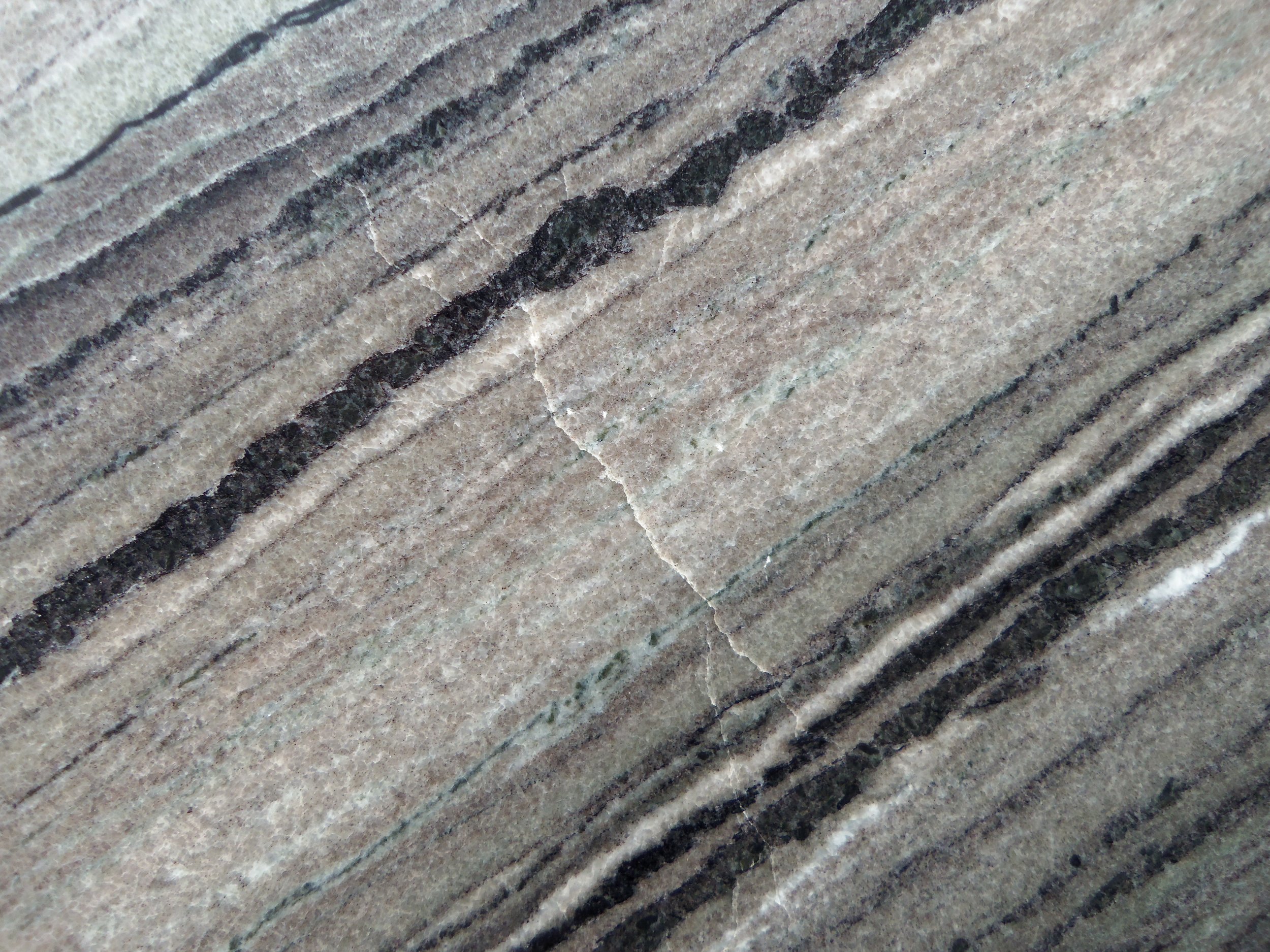
Natural Stone: Not a Game of Perfect
Here at Blue Pearl Stone, we are yet to see a perfect slab of natural stone. This is not because of some mystical curse or an outlandish series of mishaps. Natural stone, by nature, is always imperfect.
It might have been Dale Clevenger, former principal horn of the Chicago Symphony Orchestra, who at one point during his illustrious career surprisingly said that he is yet to perform a perfect concert. Whether it was truly him who said it, this sort of notion really hits close to home: here at Blue Pearl Stone, we are yet to see a perfect slab of natural stone.

Naturally occurring crack in a slab of Zsa Zsa quartzite
This is not because of some mystical curse or an outlandish series of mishaps. Natural stone, by nature, is always imperfect. There will most likely be a slightly brownish patch somewhere on a beautiful white Carrara marble, a tiny pit in a Luna Pearl granite slab, and amongst the undulating wave-patterns of a Macauba quartzite you may just happen upon a cloudy patch. Natural stone just won’t stand up to the fastidious scrutiny of perfectionists.

Pits filled with resin in a slab of Noce Travertine
And it really shouldn’t. The real beauty of any natural stone comes from its unabashed uniqueness. Natural stones are either formed under subterranean pressure, are a result of sedimentation or a product of volcanic activity. But wherever they might come from, the thousands and millions of years that it takes for these stones to form means that each slab is exposed to the caprices of time and stands as a testimony to all the events that occurred during its formation: a slight drift in the tectonic plates, a trapped and fossilized organism here and there, or the leaking of an uncommon material into the ossifying sediment. You name it.

Rock sedimentation at the blue lias cliffs at Lyme Regis - Wikipedia
In granite, for example, there’s a mineral called biotite, which is softer than granite's other components. The main components of granite, feldspar and quartz (the mineral), have the hardness of about 6.5-7 on the Mohs scale. But biotite's is only 2.5. This means that biotite flakes and crumbles more easily compared to the other minerals, sometimes leaving tiny pits behind. Yet, this by no means compromises the integrity and durability of granite.

Fissures and pits filled in with epoxy resin in a slab of Noce Travertine
Or take fissures for instance: fissures are natural cracks that can be found in the surface of stones. Most are almost undetectable, but some are wide enough that quartz bits and epoxy resin are required to fill them in. Mining companies extract stone out of the ground in large cubes (see video), then slice the cubes up like bread. Cracks can occur during these processes, but if the accidental crack doesn’t entirely damage the integrity of the stone, it’s immediately restored with resin, and can go on the market.
We've also received requests for service calls regarding cloudy patches on countertops. In certain natural stones there will be areas that have a slightly different composition than the rest, and which, accordingly, take polish differently. The results are occasional cloudy patches and they, too, are perfectly natural.
For some inspiration and encouragement, let us suggest an article by Faith Durand, blogger and author of several cookbooks, in which she elaborates on her penchant for so-called etchings. While etchings are man-made marks on countertops, the accepting and easygoing approach of a professional cook in these matters can be quite reassuring, especially for those with misgivings about purchasing natural stone products. Click on the link to read Faith Durand's "Here's What an Etch on a Marble Countertop Actually Looks Like" article, and do not hesitate to reach out to us should you have any questions.
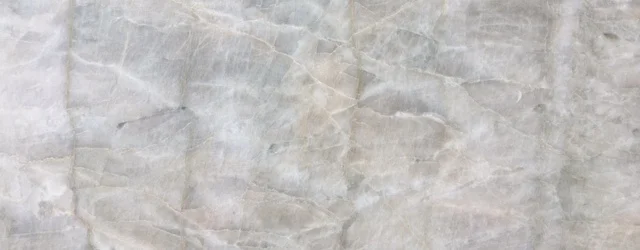
Quartz vs. Quartzite
Both quartz and quartzite are great for kitchens and bathrooms. But with any stone, the question is not about which material is better. Rather, the question is which stone is more suited for your needs.
We’re often asked how quartz and quartzite countertops exactly differ. With similar names, the question is raised with good reason. But to understand the differences between quartz and quartzite countertops, we must first clarify that the mineral “quartz” and “quartz countertop” belong to two different categories.

Quartz surfaces are non-porous and require no sealing
Quartz: mineral and countertop
In geology, “quartz” refers to one of the most abundantly occurring minerals in Earth’s surface. More strictly speaking, it refers to the chemical compound silica, i.e. silicon dioxide (SiO2). When looking at quartz as a mineral, you’ll find that granite, onyx, quartz, slate and soapstone countertops all contain the mineral quartz in varying degrees.
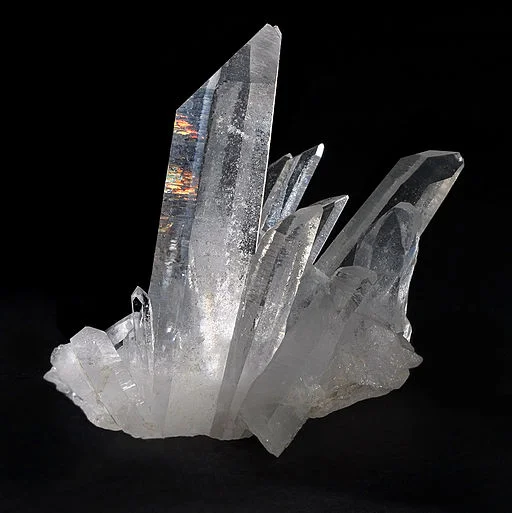
Quartz crystal cluster
But when we speak of quartz countertops in the stone industry, we are talking about a manufactured product, sometimes referred to as “engineered stone.” Quartz countertops are produced by using loose quartz, mineral pigment and an industrial resin binder. Since there is over 90% of loose quartz content in quartz countertops, the stone industry simply refers to these surfaces as “quartz.”
Quartz: Features
Given that quartz surfaces are man-made, they come in any color and pattern imaginable. Keep in mind, though, that quartz countertop patterns are often more uniform and repetitive than the patterns of natural stones. Since industrial resin binds the quartz minerals together, the countertop's surface is non-porous and requires no sealing; however, quartz countertops are sensitive to heat above 300 degrees Fahrenheit. In addition, quartz is more flexible than quartzite, less prone to chipping, and out of all the surfaces, maintaining quartz countertops is by far the easiest.

Quartz surfaces are sometimes referred to as "engineered stone"
What is quartzite?
Quartzite is a naturally occurring metamorphic rock that began its life as pure quartz sandstone. Over millions of years, sandstone morphs into quartzite under the extreme pressure and heat underneath the surface of the Earth.

Pink and red hues in quartzite are due to the presence of iron oxide
Quartzite: Features
Due to its natural origins, no two slabs are the same. The color range of quartzite countertops usually falls within the white, gray and beige spectrum. However, pink and red hues are common due to the iron oxide in the stone, as well as yellow, blue, green and orange hues that are a result of other naturally present minerals. Because of the subterranean pressure that helps form quartzite, the slabs have streaked patterns similar to marble. Quartzite is heat resistant and slightly harder than granite. Quartzite surfaces are sometimes porous, which means that they require periodic sealing and more meticulous care than quartz surfaces.
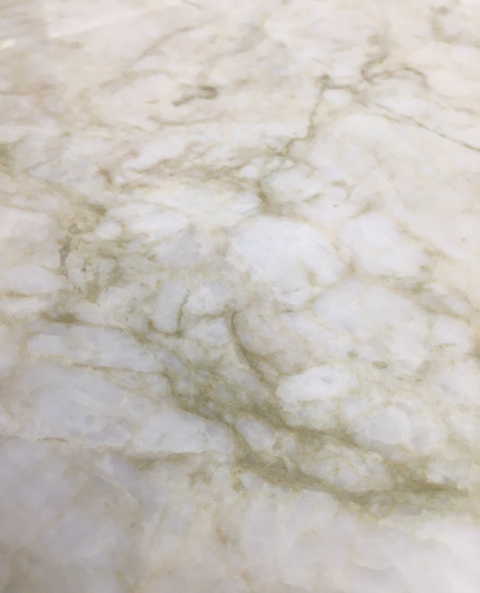
Quarzite has streaked patterns similar to marble
Conclusion
Both quartz and quartzite are great for kitchens and bathrooms. But with any stone, the question is not about which material is better. Rather, the question is which stone is more suited for your needs. Both quartz (Mohs scale of mineral hardness: 7) and quartzite (Mohs: 7-8) are comparable and often harder than granite (Mohs: 6.5-7). With quartz, you get a low-maintenance surface that comes in a myriad of colors, even though it isn't fully heat resistant. With quartzite, you get the unique look of natural stones and a harder, more durable surface, although periodic sealing is suggested. In terms of pricing, it all depends on the project at hand. However, if there are a lot of small details in your design, quartzite might put a heavier strain on your purse, given that the stone's hardness usually translates into more labor.
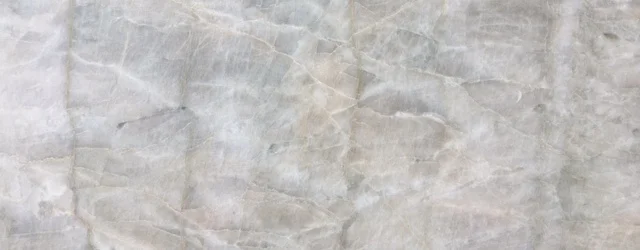
Quartzite has the unique look of natural stones
Quartz |
Quartzite |
|
|---|---|---|
| Source | Man-made | Natural |
| Color | Large spectrum | White, gray and beige |
| Pattern | Any pattern | Similar to marble |
| Natural streaks | ||
| Hardness | Mohs Scale: 7 | Mohs Scale: 7-8 |
| Maintenance | Minimal care | Simple care |
| No sealing required | Requires periodic sealing | |
| Heat resistant | No | Yes |